
Introduction
The disciplines of data and decision science, together with forestry domain knowledge, will create forestry intelligent decision support systems that will facilitate precision forestry given the use and availability of tools and technology that collect, store, and transmit forestry data (Obi Reddy et al., 2021). Precision forestry is characterised by executing forestry management practices using adaptive precise management informed by intelligent decision support systems (FSA, 2023). Data science uses statistical mathematics and computer science (as shown in Figure 1) for descriptive, predictive, and prescriptive analysis combined with decision science techniques that seek to determine the optimal and sustainable solution/s using quantitative modeling and behavioral science (Hillier, 2021).
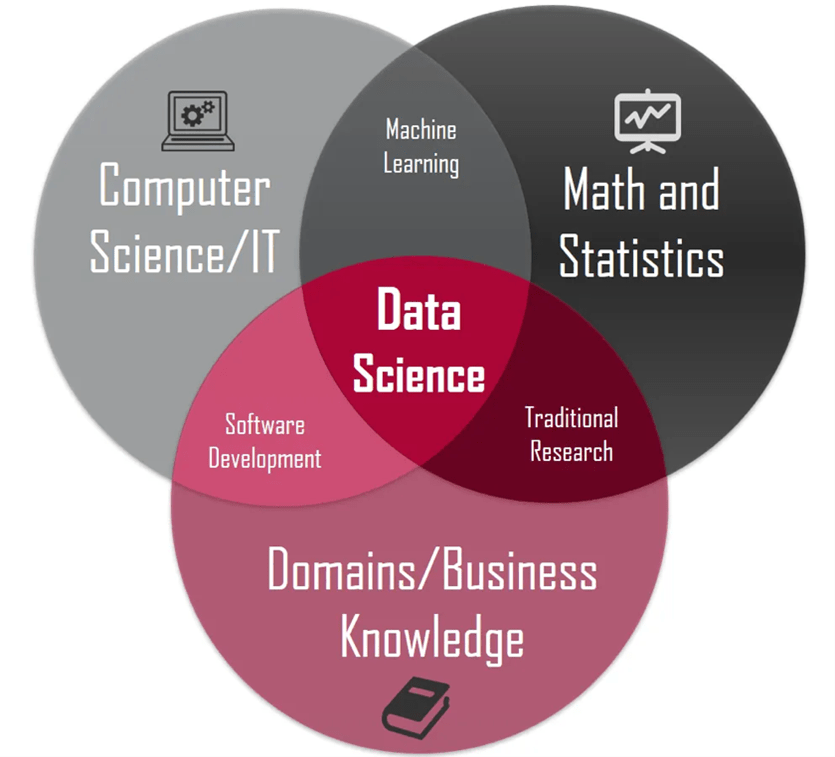
Figure 1: Component of Data Science (Petersen,2019).
From prescriptive to adaptive forest management practices
Currently, forest management operation practices are prescriptive methods of treatment informed by traditional scientific research to determine the best treatment for executing forestry operations given specific seasonal time, species, and overall compartment conditions, amongst other things. Thus, this method ensures a standard approach to execution, quality, cost allocation, and control. This process, in turn, helps reduce the risks associated with prescriptive treatment methods, such as under or over-allocation of resources to some degree. An adaptive forestry management practice refers to the planning and timeous execution of forestry management practices when only needed and specific to the site or particular portion of a compartment for optimal allocation and use of resources (FSA, 2023).
With data and decision science, there is an opportunity to enhance adaptive management through intelligent insight using modern statistics, computer science, and scientific approaches powered by the availability of big data. For instance, when completing a chemical weed control operation, the forester, depending on the weed type, height, and distribution together with recommended chemical dosage for those types of weeds, would apply a specific chemical ratio that considers overall compartment conditions.
Using data, data scientists can build and deploy a weed vegetation growth cycle model based on the specific site conditions. Programmed to send a trigger as a reminder to the forester to prepare for a mechanical spraying operation on a specified day where spraying conditions are optimal. The spraying equipment on the day of spraying is fitted with a camera with vision intelligence that, as it sprays, assesses weed type, height, and distribution to control chemical spray dosage on the boom to ensure optimal chemical and water usage. For example, in agriculture applications, John Deere has such technology already available in the market with their see and spray ultimate boom.
https://www.youtube.com/embed/g4Sfnmfw8o0Opportunity when using data and decision science
The 4th Industrial Revolution has enabled the collection, storage, and transmission of extensive data from forests to the cloud and computers, through advanced tools and technology (Obi Reddy et al., 2021). This includes the availability of existing accumulated plantation data such as harvesting and treatment history and yield output. Data and decision scientists can apply data and decision science techniques to draw insights to support and empower all level decision makers within forestry and natural resource environmental management, as depicted in Figure 2.
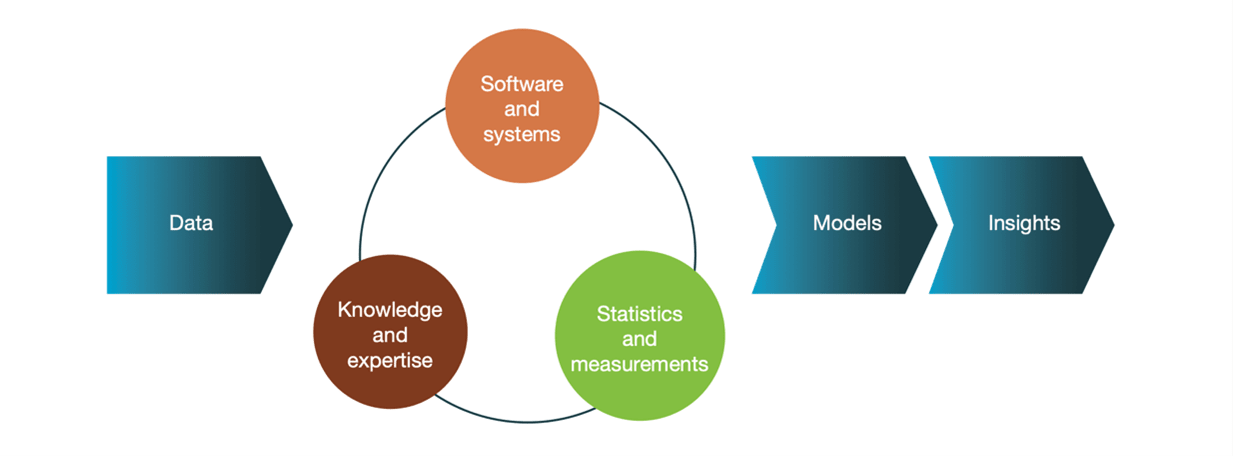
Figure 2: From data to insight (Obi Reddy et al., 2021)
For instance, in applying silvicultural practices, we can use the existing plantation data, applying data analysis techniques to unlock opportunities and uncover patterns that will give a more in-depth understanding of vegetation growth per treatment type/cycles and help enhance the timing of treatment together with the scheduling of subsequent treatment activities per site (FSA, 2023).
Earth observation data from satellite imagery, aerial equipment, and remote sensing technology has unlocked new possibilities. For instance, instead of only relying on the forester on the ground to gather and report compartment information, you now have an extra pair of eyes from the sky that also offers an extra-dimensional view from that of the forester that is not visible through the naked eye. In recent years, using this data in combination with data science has resulted in models that can perform drought monitoring, vegetation monitoring and assessment, digital soil mapping, soil moisture monitoring, and predict soil carbon content (Obi Reddy et al., 2021).
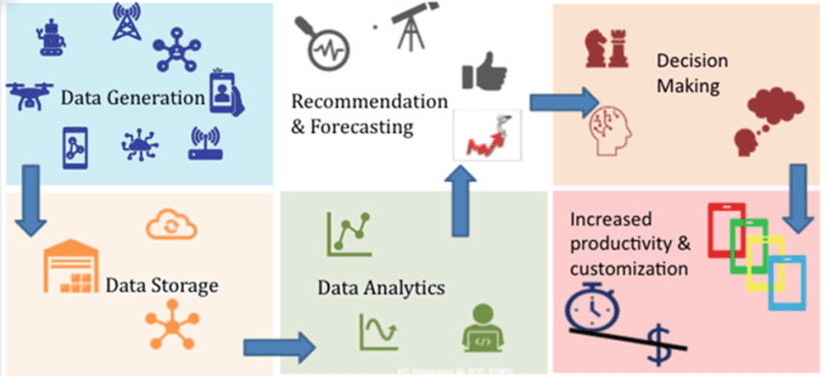
Figure 3: Precision forestry (Obi Reddy et al., 2021)
Precision forestry is the culmination point characterised by the intensive use of information technology devices to apply adaptive forest management practices through seamlessly connected devices, tools, equipment, and applications that collect, store and transmit forest data (FSA, 2023). All this data helps formulate, build, and train models to enable automated intelligent decision systems that ensure optimal resource use and improve productivity, as shown in Figure 3. Building up to this stage of precision forestry, domain knowledge will remain essential, not only in selecting and implementing tools and technology. From the data preparation phase to feature selection, expert inputs can ensure that the data and decision scientists build models that fit the purpose, resulting in decision support systems tailor-made to the needs of all forestry-level decision-makers.
For more information, contact: Mr Thabiso Makhathini
Email: Makhatinitt@icloud.com
Cell: 081 019 1404References
Hillier, F.S. and Lieberman, G.J. (2021). Introduction to operations research. New York, Ny: McGraw-Hill.
FSA (2023). Timber Industry Presents Magazine. [online] Forestry South Africa. Suite 205, 2nd Floor South Block, Thrupps Centre, 204 Oxford Rd, Illovo, Johannesburg: Forestry South Africa. Available at: https://forestrysouthafrica.co.za/wp-content/uploads/2023/02/TIPWG-Mag-Final.pdf.[Accessed 5 Jul. 2024].
Obi Reddy, GP, Raval, MS, Adinarayana, J & CaudharīS (2021). Data science in agriculture and natural resource management, Springer, Singapore.
Petersen, R. (2019). 30 data science facts for dummies explain this discipline. [online] BarnRaisers, LLC. Available at: https://barnraisersllc.com/2019/11/09/defining-data-science-facts-learn-benefits-value-businss/ [Accessed 27 Jul. 2024].